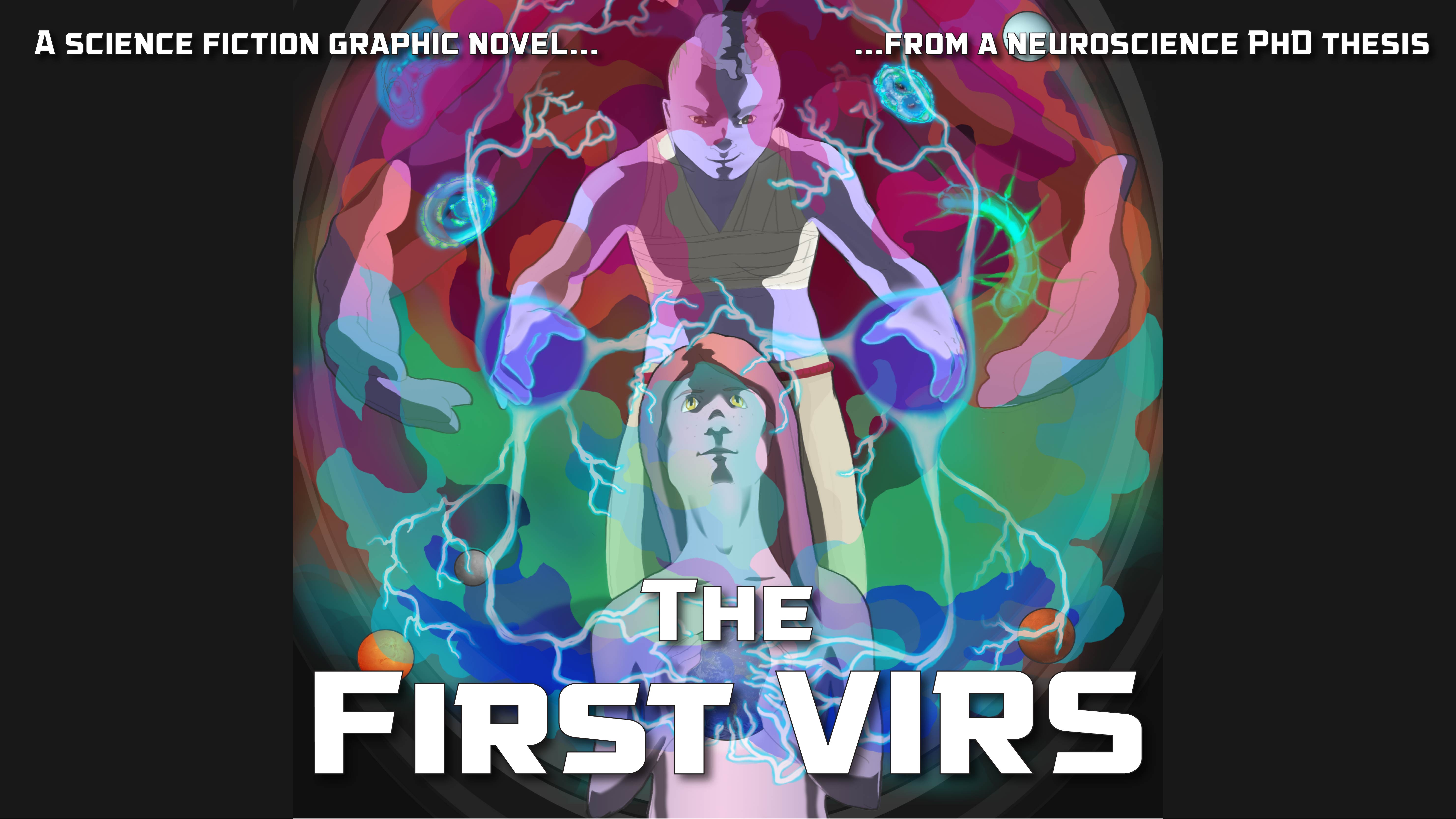
A project that aimed at engaging anyone -- from young people to expert researchers -- curious about the relationship between nervous systems and behavior.
The First VIRS: A graphic novel thesis
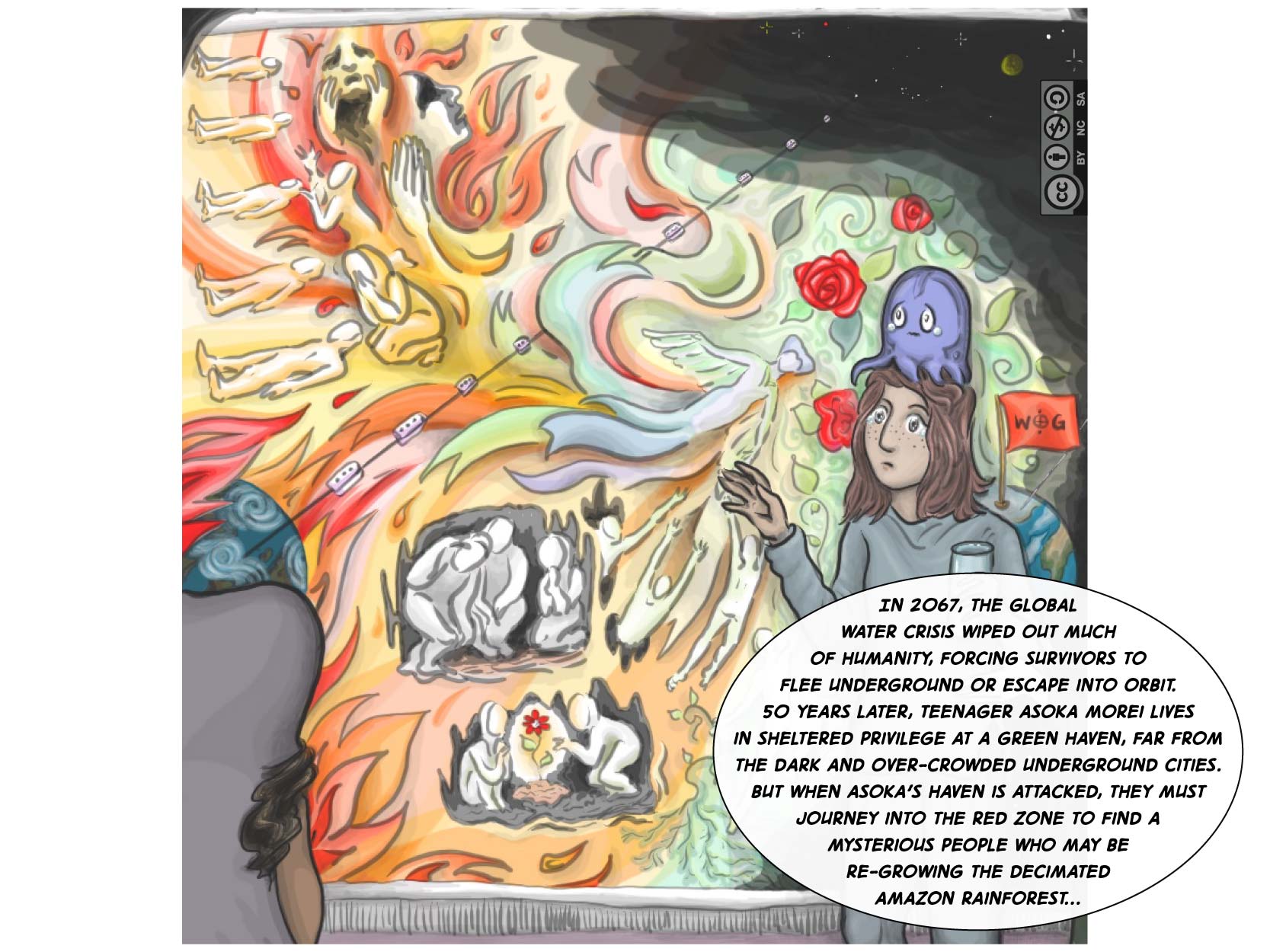
Hi everyone! My name is Danbee Kim, and I’m a neuroscientist, educator, and performance artist. I collaborated with 17 amazing artists to create The First VIRS (Vigilante Intergalactic Roustabout Scholar), a graphic novel that combines cutting-edge topics in science and technology into a speculative fiction story about two teens on a post-climate-apocalypse Earth who wield the ancient craft of neuroscience against an oppressive World Government.
Read the Chapter 1 teaser here!
Interested in a printed copy of The First VIRS? Please fill out this form.
I created this graphic novel because I want to tell stories that make science and technology topics more accessible to EVERYONE, from young people (and any other science-curious, comic-loving human!) to experts in other specialities. I hope stories like mine can start conversations about what we define as “scientific activity”, what it means to decolonize our studies of nervous systems, and how to build humane support structures to nurture such activity.
Powered by the people
With the help of 155 backers, we raised $11,125 through our crowdfunding campaign!! THANK YOU to everyone who supported this project and made it possible to pay our artists IN FULL!!
When the crowdfunding campaign for The First VIRS reached $10K, I made this music video for one of the songs from the story to celebrate!
Digital and Print
If you are a school teacher, librarian, community educator, education researcher, or science-curious, comic-loving human interested in a free digital copy of The First VIRS, please send an email to TheFirstVIRS[at]danbeekim[dot]org, with subject “Request for digital pdf of The First VIRS”.
If you would like to support my mission to share neuroscience research and make it more accessible, please consider purchasing a print copy of The First VIRS! Because I self-publish, every penny comes to me to cover printing and shipping costs, with a little leftover to make this whole adventure sustainable for me.
PRE-ORDER A PRINT COPY of The First VIRS!
Project credits
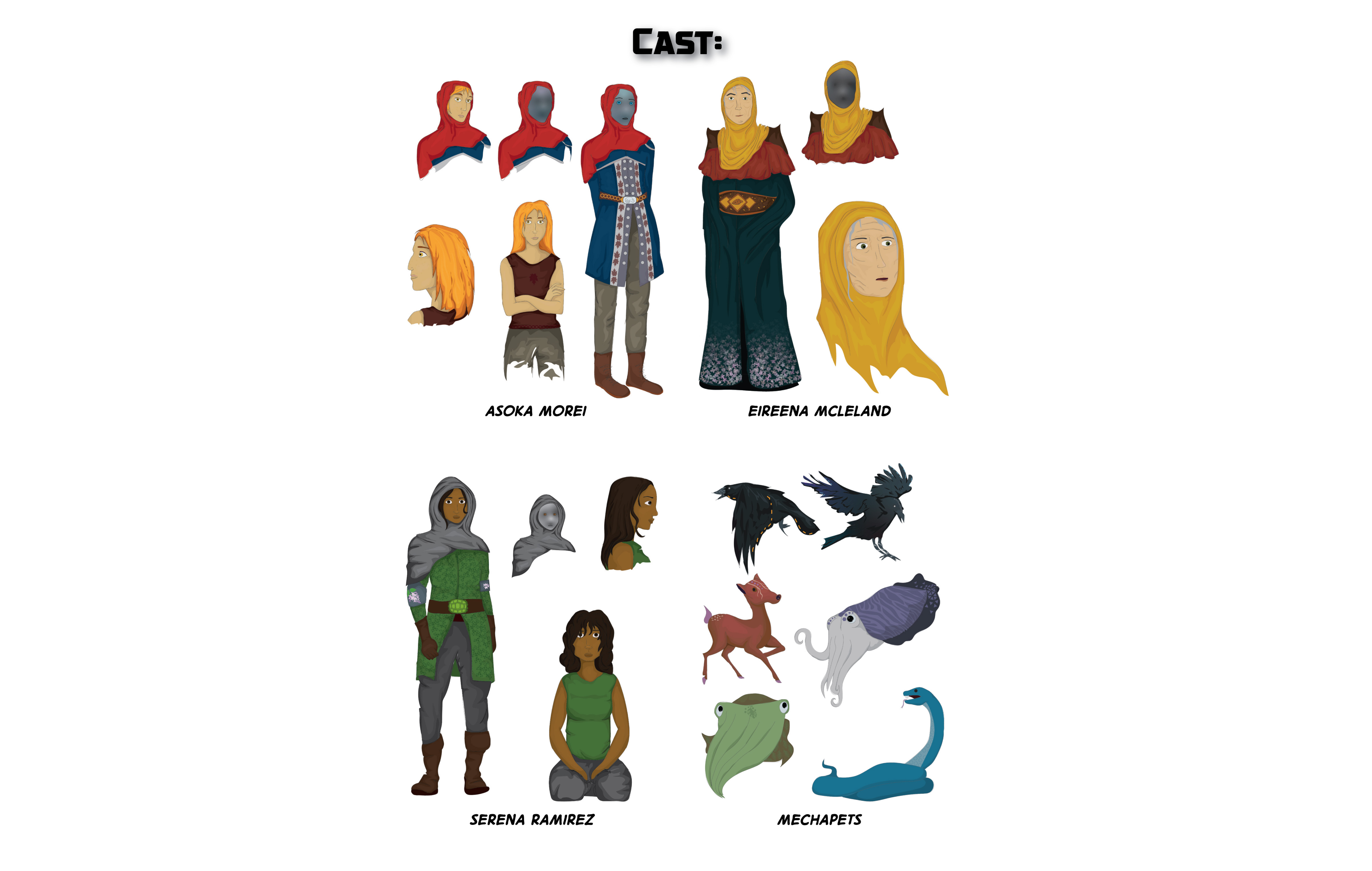
Meet the artists and illustrators of The First VIRS!
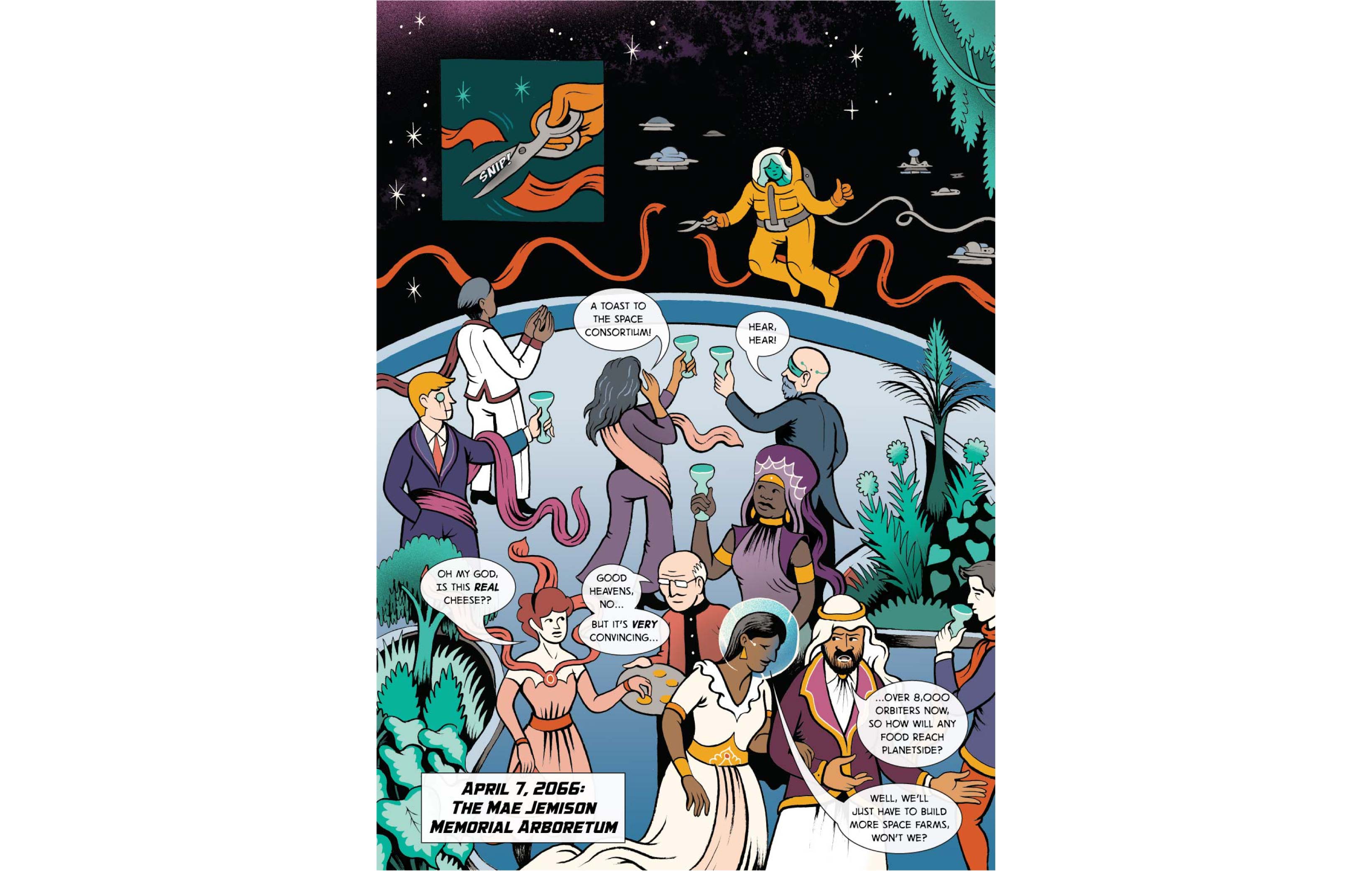
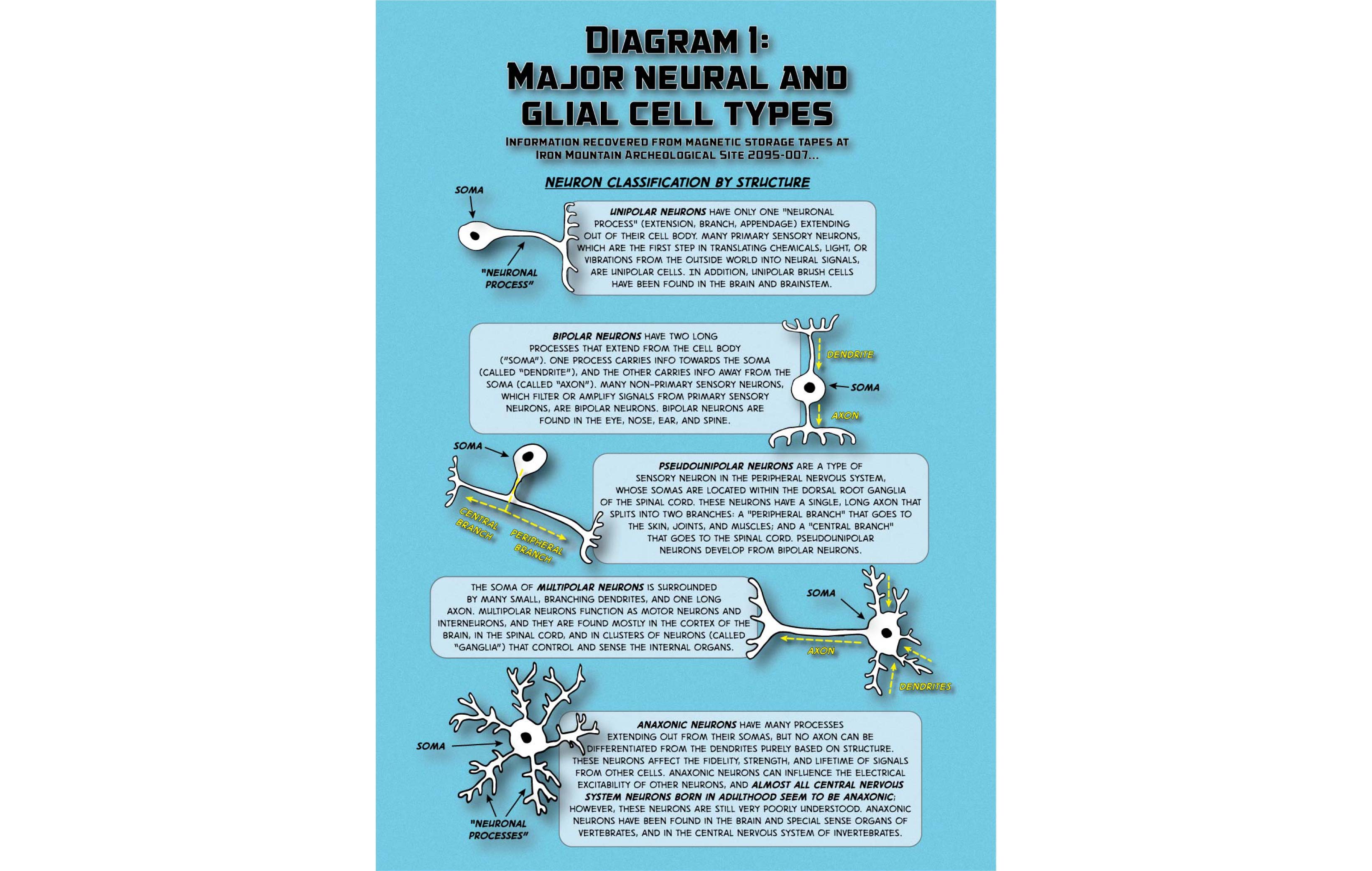
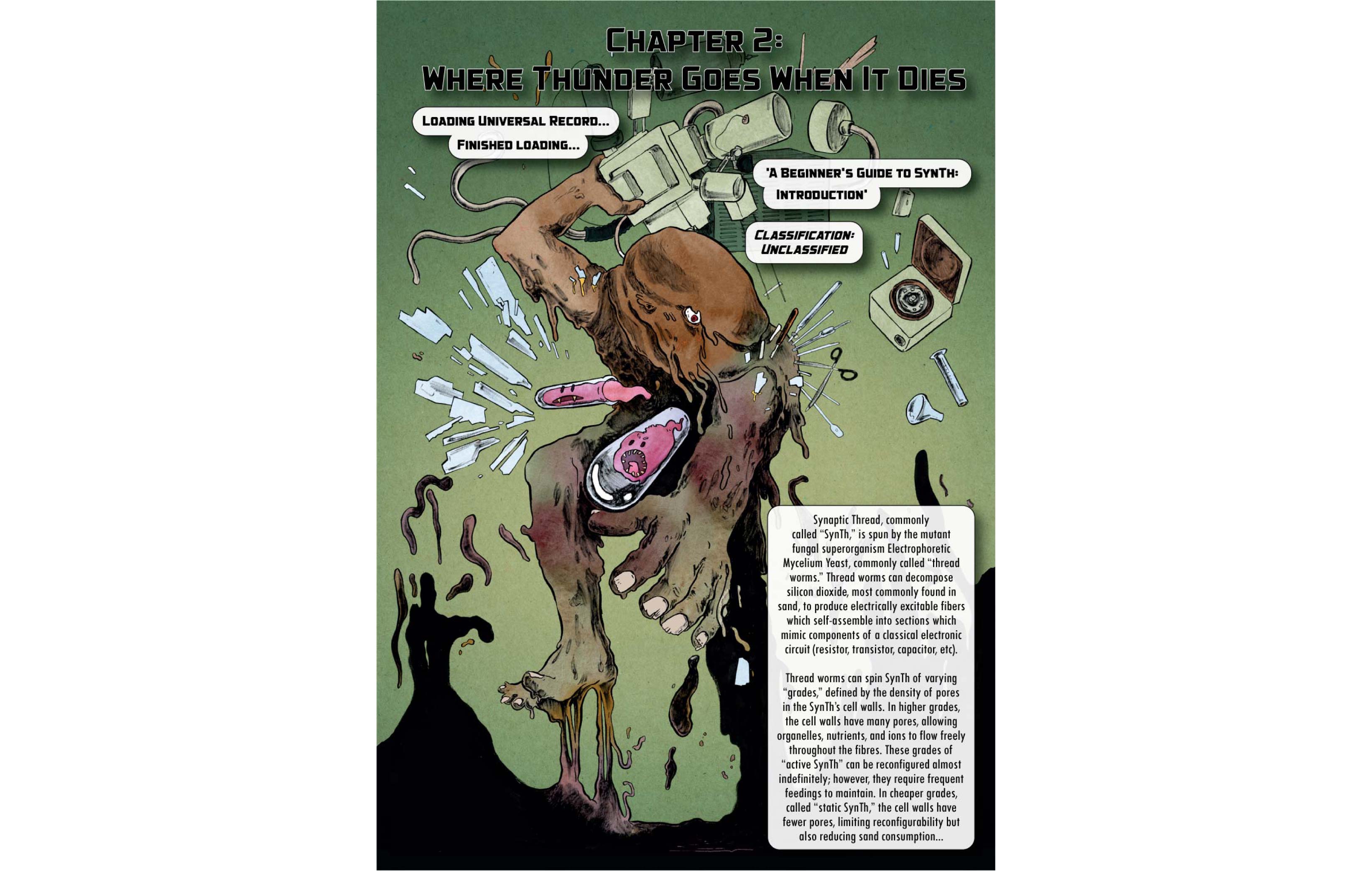
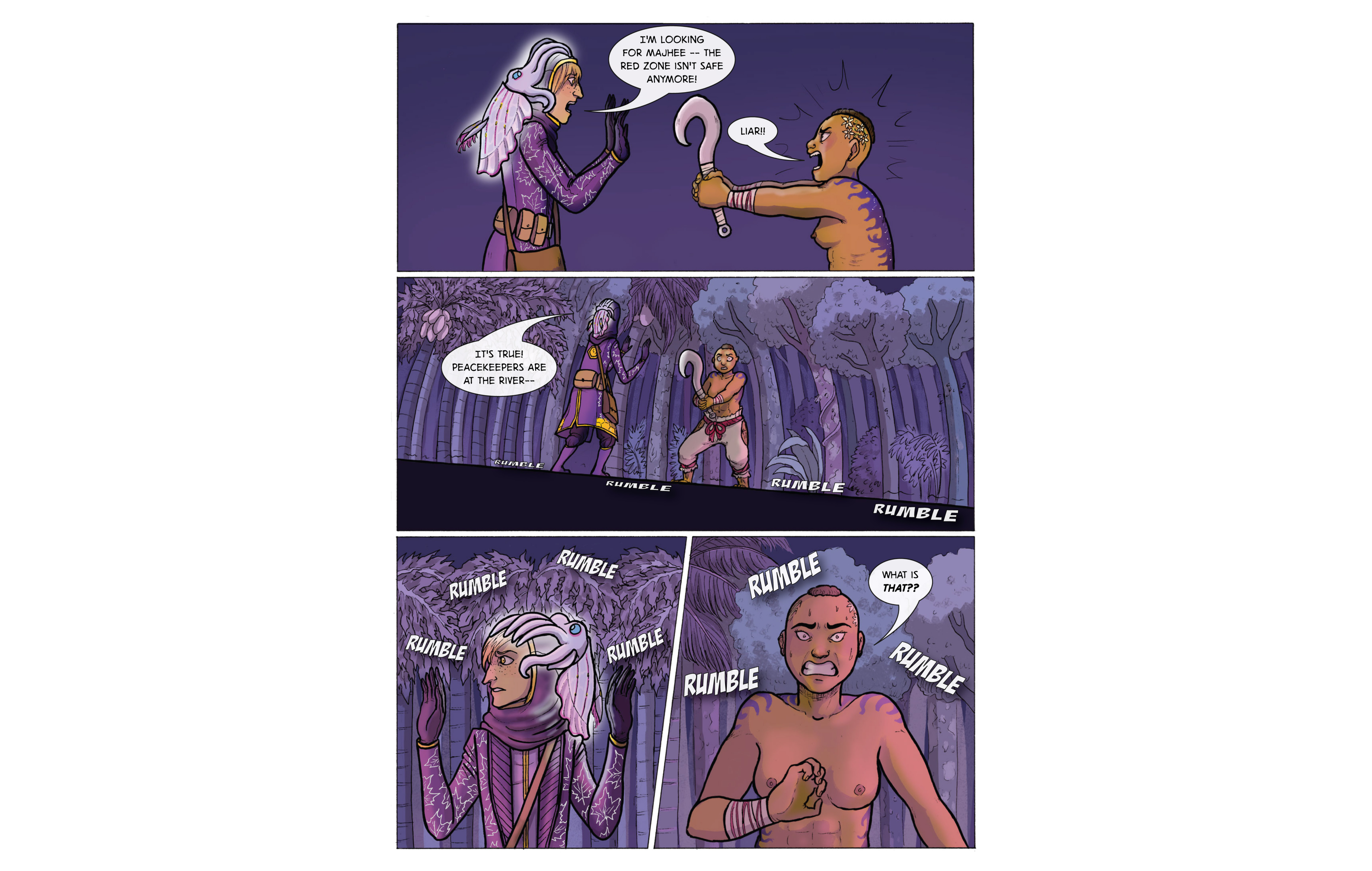
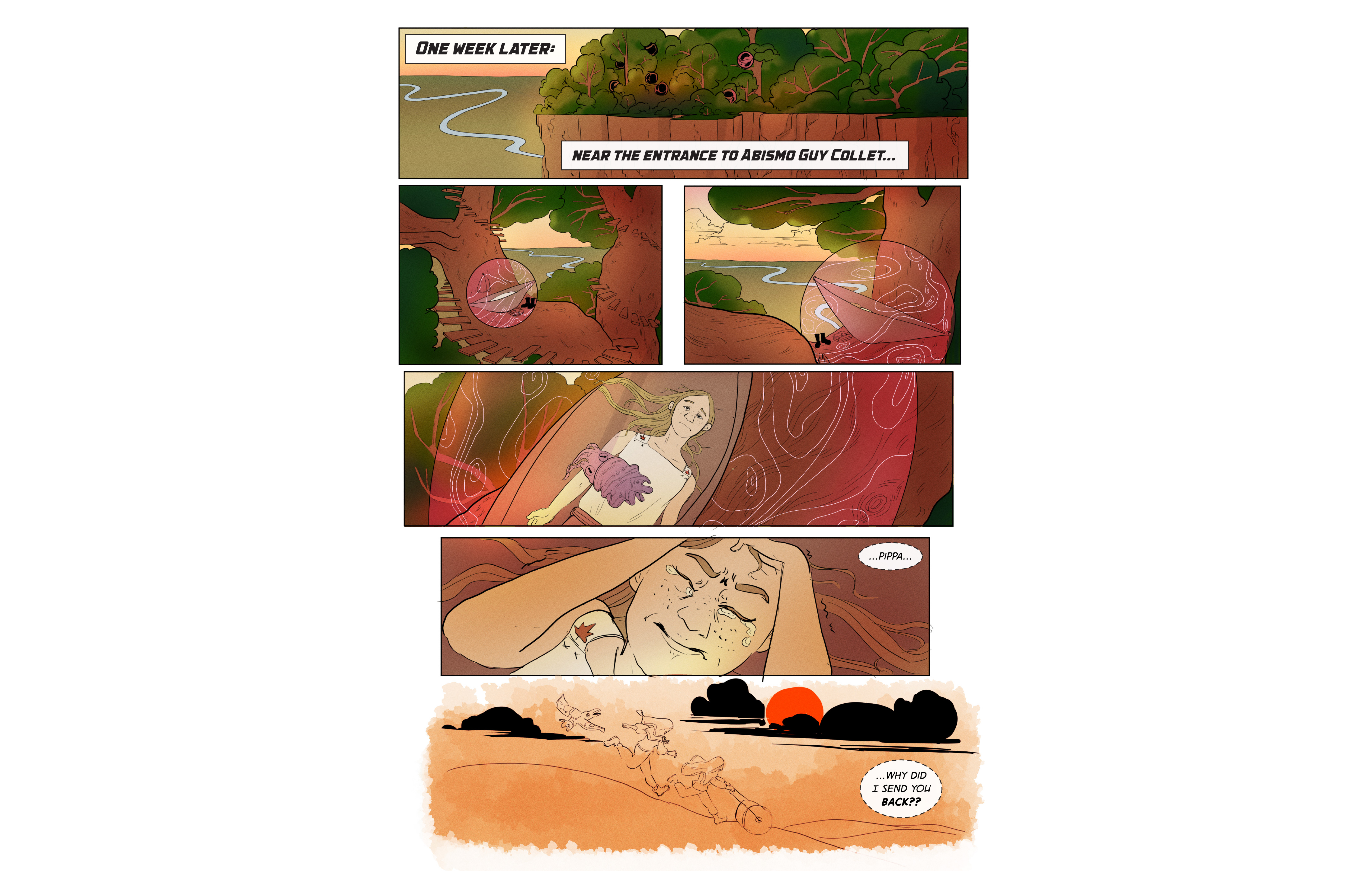
Teaser pages
The Backstory
Why write a sci-fi graphic novel as part of your PhD?
Real science is as amenable to exciting and engrossing fiction as fake science, and I think it is important to exploit every opportunity to convey scientific ideas in a civilization based upon science but somehow unable to communicate what science is about…I think it is not an exaggeration to say that, if we survive, science fiction will have made a vital contribution to the continuation and benign evolution of our civilization. Growing Up with Science Fiction, by Carl Sagan, 1978.
Our cognitive love affair with stories
Humans have engaged in storytelling since the beginning of our history as a species, and every culture around the world has at its core a rich collection of stories. To this day, we create and share stories in countless formats.
Stories help us remember and pass on complex information, gain perspective on difficult situations, and expand our capacity for empathy. The wide-spread success of stories as effective tools for good communication, powerful connection, and deep insight lead many to suspect a fundamental connection between storytelling and the evolution and development of human brains. Humans are very social beings, and stories demonstrate enormous power when it comes to coordinating human ideas and actions.
Speculative Fiction’s affect on reality
For instance, the Golden Age of Science Fiction (1930s to 1960s) has had an enormous influence on current research programmes and engineering goals. Many adults who currently work on space exploration, robotics, or brain-computer interfaces grew up in a culture fascinated by the fictional stories of authors like Issac Asimov and Arthur C. Clark. The science fiction genre thus expands the toolkit of storytelling to include simulations of incredible futures, as a way to grapple with the knowledge that there are things we don’t even know we don’t know, and to imagine how we might face it.
The neuroscience of speculation and "just dealing with it"
How brains face the unknown and the unexpected has been the core motivation behind my PhD research and the research vision of my advisor, Dr. Adam Kampff. Since 2013, I’ve had the privilege of working with him and the amazing people of the Intelligent Systems Lab. Together we have developed a diverse range of tools and strategies to study how brains build expectations about how things “should” work (often called our "model of the world"), and how brains adapt when new information or experiences break our expectations.
Bringing neuroscience "into the wild"
Studying reactions to the unexpected under traditional laboratory conditions can be quite challenging, given that laboratories were originally intended to be settings where one reduces and simplifies phenomena in order to examine them in greater detail and under tightly controlled conditions. This is not necessarily a useful strategy to apply to the study of how we deal with the unexpected. Communicating our findings in conventional academic formats can be even more challenging, as our insights often ride the boundary between science and philosophy, and our explanations tend to work best when prefaced with lengthy historical or experiential contextualization.
Scientifically engaging other brains "in the wild" through stories
Given these challenges, my advisor and I realised that our research needs to be communicated with a more compelling format than the conventional academic article - the current tensions and distrust between academic scientists, policy makers, and folks on the street makes that clear. Turns out, we weren’t alone in our way of thinking! Other folks have taken creative approaches to their PhD theses to make their research more accessible, and there is a growing interest in using and understanding the potential of graphic novels, comics, and other forms of visual narrative "to engage audiences who are currently underserved by other channels of science communication."
So I threatened to write a graphic novel of my thesis, and Dr. Kampff called my (not quite) bluff.
How did you organize this project?
The story has 7 chapters, 7 scientific diagrams, and 3 dream sequences. I divided the illustration work amongst my 16 collaborators, who joined this project from various locations in the US, UK, France, Germany, Portugal, and Taiwan. To coordinate our efforts, I first wrote a full story script describing the imagery I wanted for each page and the visual characteristics I wanted for each character. Based on these descriptions, the artists then created the illustrations, with several stages of feedback and iteration mediated by a shared Dropbox folder. I then typeset the text and dialogue which appear on top of the illustrations.
This project makes an excellent case study for the benefits and impact of massive collaborations between artists and scientists. I’ve documented our collaborative process in this Github repository, and published a section in my thesis that details the lessons learned and insights gained from coordinating such a huge project.
You can find the full story script here, complete with annotations and references.
But wait...what happened to your funding??
It’s a long story, and you can read more about it here.